

For decades, polyester and nylon have been the go-to materials for marine ropes. They’re reliable, widely available, and get the job done. But the maritime industry is evolving—vessels are getting larger, offshore operations are moving deeper, and safety standards are becoming stricter.
Enter UHMWPE (Ultra-High Molecular Weight Polyethylene), known commercially as Dyneema®. This advanced fiber is fundamentally changing what’s possible in marine rope applications. Here are five compelling reasons why marine professionals are making the switch.
Quick Comparison: UHMWPE vs Polyester vs Nylon
| Property | UHMWPE | Polyester | Nylon |
|---|---|---|---|
| Strength-to-Weight Ratio | 15x stronger than steel (same weight) | Moderate | High |
| Elongation at Break | ~3.5% | ~15-22% | ~18-30% |
| Floats in Water? | Yes (0.97 SG) | No (1.38 SG) | No (1.14 SG) |
| Water Absorption | None (hydrophobic) | ~1% | 2-8% (loses 10-15% strength when wet) |
| UV Resistance | Good | Excellent | Good |
| Abrasion Resistance | Excellent (self-lubricating) | Good | Good |
| Melting Point | 150°C | ~250°C | ~220°C |
| Working Temperature | Below -20°C to 70°C | -40°C to 150°C | -40°C to 120°C |
Reason #1: Unmatched Strength-to-Weight Ratio
The most striking advantage of UHMWPE is its incredible strength for its weight. Here’s what the numbers actually mean for your operation:
(same weight)
(same strength)
(same diameter)
- Same weight comparison: A 1kg UHMWPE rope has the same strength as a 15kg steel wire rope. That’s 15x stronger weight-for-weight.
- Same strength comparison: To achieve the same breaking strength, an UHMWPE rope weighs only about 12-15% of a steel wire rope (roughly 1/8 the weight).
- Same diameter comparison: At the same diameter, UHMWPE is actually stronger than steel — while weighing only about 15% as much (85% lighter).
Compared to polyester? The difference is even more dramatic. A UHMWPE rope of equal strength is approximately 65-75% lighter than polyester, significantly reducing deck load and crew fatigue.
Reason #2: Minimal Stretch for Precision Control
Traditional nylon ropes can stretch 18-30% before breaking. Polyester is better at 15-22%. But UHMWPE? It stretches only ~3.5% at break and typically less than 1-3% under working loads.
This low-stretch characteristic is critical for applications requiring precise control:
- Mooring operations: Your vessel stays exactly where you position it
- Towing: Immediate power transfer without the “bungee effect”
- Offshore platform positioning: Minimal drift in dynamic conditions
Reason #3: Floats on Water — No More Sinking Lines
UHMWPE has a specific gravity of 0.97 — meaning it floats. Polyester (1.38 SG) and nylon (1.14 SG) both sink.
Practical benefits of floating rope:
- Easier to retrieve if dropped overboard
- Won’t get snagged on underwater obstacles
- Stays clean — no dragging through sediment
- Ideal for man-overboard recovery and rescue operations
Reason #4: Superior Durability in Harsh Environments
UHMWPE is engineered with a special coating that enhances its already impressive durability:
✅ UHMWPE Advantages
- Zero water absorption — No strength loss when wet or dry
- Chemically resistant — Resists salt, oil, acids, and UV
- Self-lubricating — Superior abrasion resistance
- Excellent low-temperature performance — Workable below -20°C
⚠️ Traditional Weaknesses
- Nylon loses 10-15% strength when wet
- Both absorb moisture and become heavier
- Lower abrasion resistance over time
- Require drying time after use
The result: UHMWPE ropes maintain consistent performance regardless of conditions. Rain, spray, or full submersion — your rope performs exactly as specified, with no difference in tensile strength when wet or dry.
Reason #5: Long-Term Cost Effectiveness
- Extended service life: Superior abrasion resistance means fewer replacements
- Reduced crew fatigue: Lighter ropes mean safer, more efficient operations
- Lower fuel consumption: Lighter deck loads translate to better vessel efficiency
- Less storage space: Higher strength means smaller diameters for the same load
- No downtime for drying: Unlike nylon, UHMWPE works immediately after water exposure
When Should You NOT Use UHMWPE?
- High-heat environments: UHMWPE melts at 150°C (polyester handles ~250°C)
- Applications requiring high stretch: If you need shock absorption (like some anchor lines), nylon remains superior
- Budget-constrained operations: For light-duty, low-cost applications, polypropylene may suffice
Our UHMWPE Rope Series
LIDA Rope offers a full range of UHMWPE mooring and towing solutions. Below are our flagship products designed to meet the toughest operational demands.
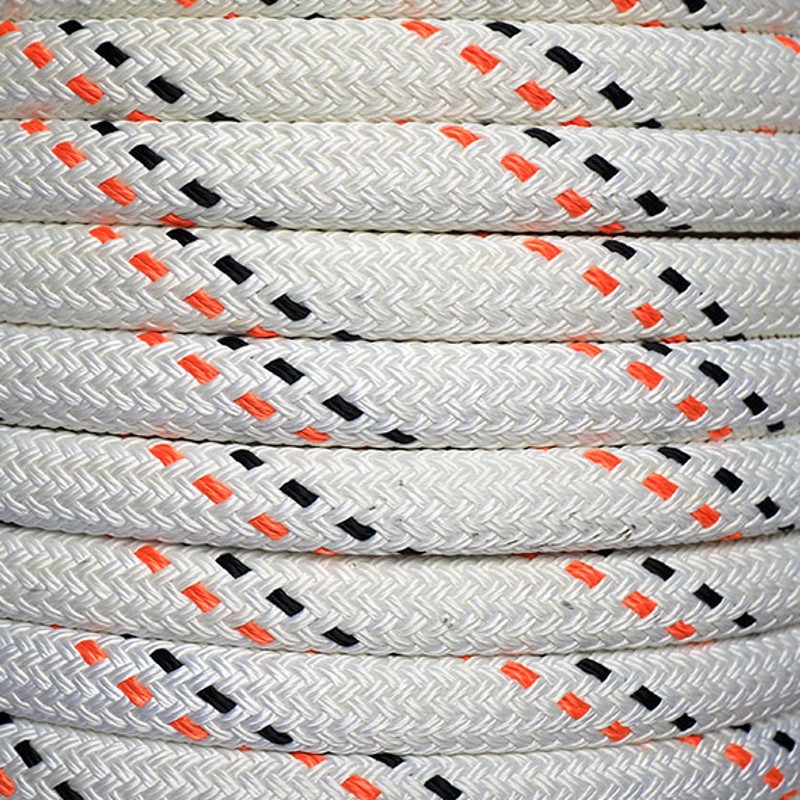
LDMAX PLUS
Engineered with a high-strength UHMWPE core and a durable, grippy polyester jacket. Ideal for heavy-duty mooring and towing.
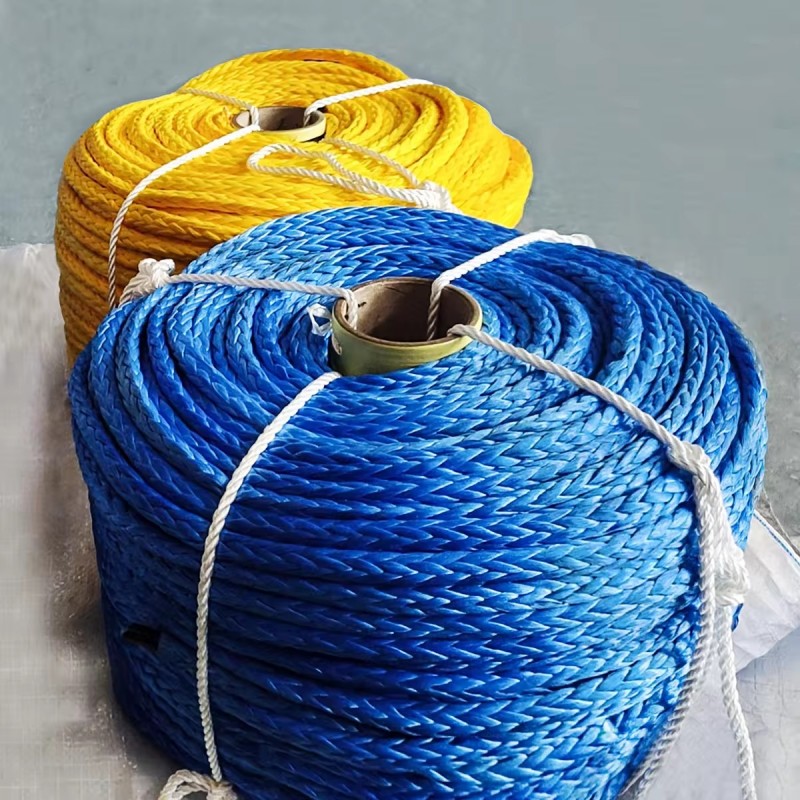
LDMAX-12
A classic 12-strand single braid construction offering an excellent balance of strength, flexibility, and handling ease.
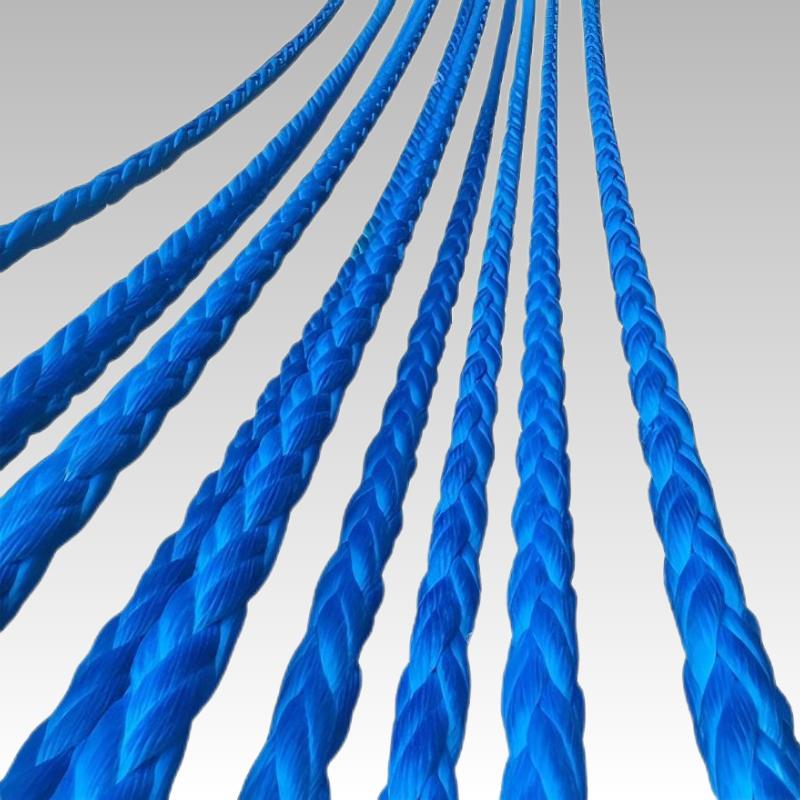
LDMAX-8
An 8-strand plaited construction known for its excellent flexibility, rotation resistance, and high strength-to-weight ratio.
The Bottom Line: Make the Switch
The maritime industry is moving toward high-performance materials for good reason. UHMWPE ropes offer a combination of strength, weight savings, durability, and safety that traditional fibers simply cannot match.
At LIDA Rope, we specialize in UHMWPE solutions including our LDMAX-8, LDMAX-12, and LDMAX PLUS series. Whether you need mooring lines for a container ship, tow lines for a tug, or specialized ropes for offshore platforms, we have the expertise to help you select the right product.
⚓ Ready to Upgrade Your Mooring Operations?
Get expert advice, a custom quote, or request a test sample — whatever you need.