

Introduction:
At first glance, steel cables might seem like the obvious choice for securing a massive cruise ship to the dock. After all, steel is strong. But step into any modern port today, and you will see something different: colorful, synthetic mooring lines holding multi-ton vessels in place. Why? The answer lies in a combination of advanced materials science and practical maritime safety.
click this video,learn why UHMWPE ropes are lighter, safer, and more durable for marine operations.
The Problem with Steel Cables
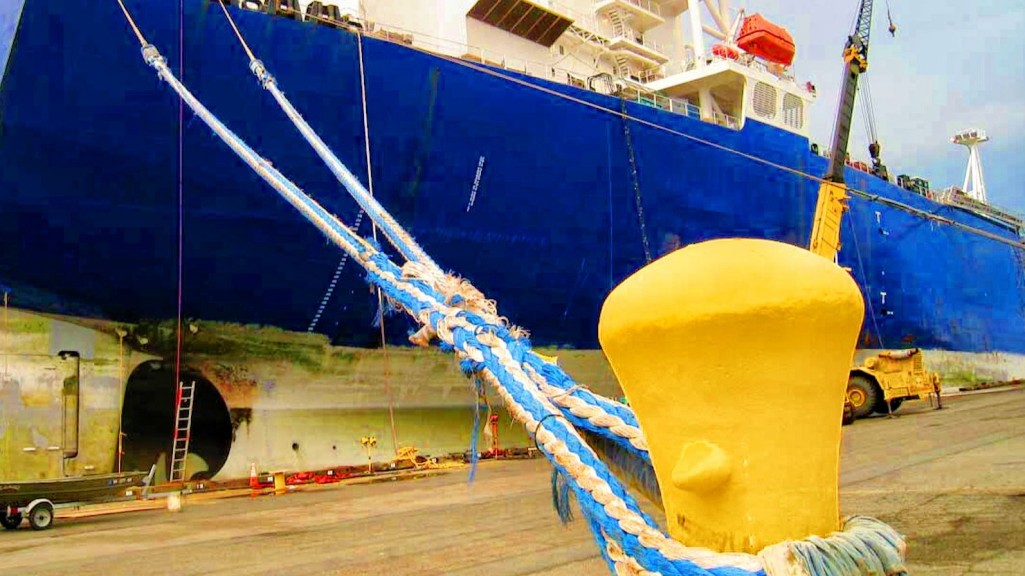
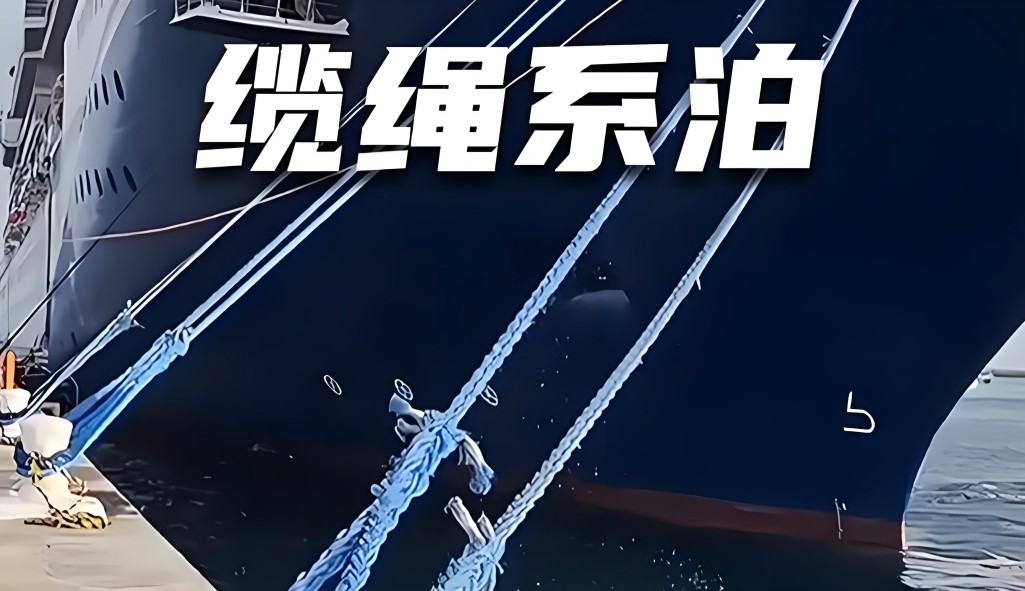
Steel cables are strong, but they are also heavy, rigid, and prone to corrosion from saltwater. More importantly, they have almost no elasticity. When a cruise ship moves up and down with the tides or pulls against the dock in windy conditions, a steel cable would absorb the shock poorly, leading to sudden, dangerous snap-back failures.
The Solution: High-Performance Synthetic Fibers
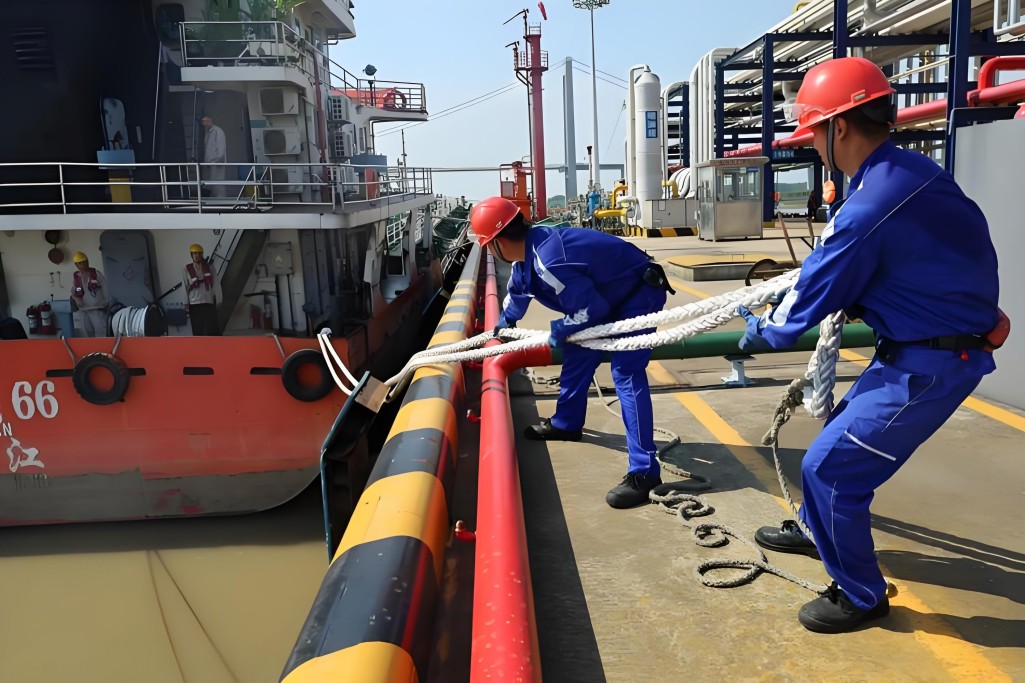
Today’s cruise industry relies on mooring ropes made from advanced synthetic fibers like UHMWPE (Ultra-High Molecular Weight Polyethylene) and Polyester. These materials offer several critical advantages:
- Superior Elasticity & Shock Absorption: Synthetic ropes stretch slightly under load. This flexibility acts as a shock absorber, reducing peak forces on both the vessel and the dock cleats.
- Lightweight & Easy to Handle: A synthetic rope with the same breaking strength as a steel cable weighs up to 85% less. This makes manual handling safer and reduces the need for heavy deck machinery, speeding up port operations.
- Unmatched Corrosion Resistance: Saltwater and UV exposure degrade steel quickly. Synthetic ropes are naturally resistant to marine corrosion, requiring no special coatings or ongoing maintenance.
- Floating Property: Unlike steel cables which sink rapidly and can foul propellers, most synthetic mooring lines float, making them safer and easier to retrieve if dropped overboard.
| Comparison Item | Traditional Steel Cable | High-Performance Synthetic Rope (e.g., UHMWPE) |
|---|---|---|
| Same Breaking Strength | 100% | 100% |
| Weight in Air | 100% (reference) | Approx. 12% – 15% ▼ 85% lighter |
| Weight in Water | Extremely heavy (sinks rapidly) | Approx. 1% – 2% (near-zero / floats) |
Conclusion: A Safer, Smarter Choice
For cruise lines, where quick turnaround times, crew safety, and long-term reliability are paramount, synthetic mooring ropes are not just an alternative—they are the standard. At Lida Rope Technology Co., Ltd, we specialize in providing high-quality synthetic mooring solutions that meet the rigorous demands of modern shipping.
Looking for a stronger, safer, and smarter way to secure your vessel? Contact us today to learn more about our marine-grade synthetic rope products.